Summary
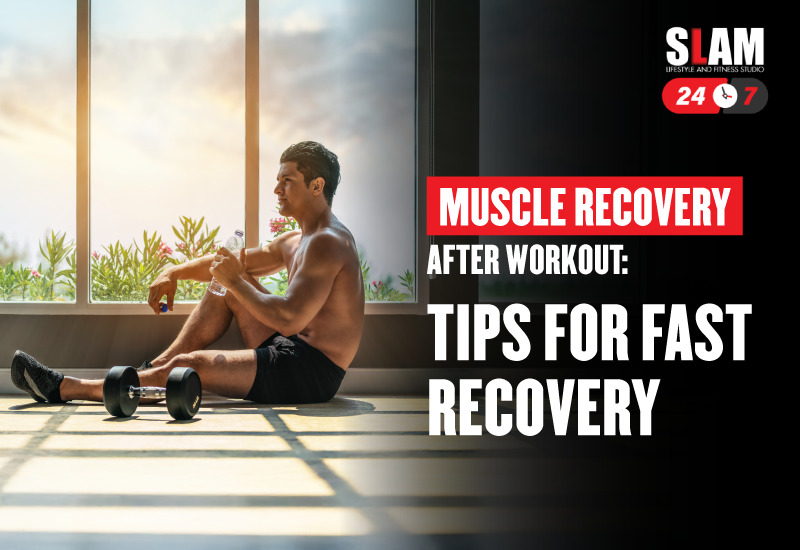
It is imperative to push your limits when doing workouts, but what you do after that is equally as important. Proper muscle recovery after workout sessions is a way of ensuring that your body is able to repair, rebuild and be stronger. Combining rest and nutrition with hydration and stretching, a balanced recovery program will keep you regular, prevent injuries, and ensure that you make the most out of each session.
Give Your Body the Recovery It Deserves
Once you have a vigorous workout, your body does not simply cease to work; it enters into the repair phase. Small muscle fibres, which are torn apart in the course of a workout, start to rebuild, becoming stronger than ever. It is at this point that muscle recovery after a workout is not an option, but a necessity.
Only by disregarding recovery can one experience fatigue, soreness, and even injury in the long term. Alternatively, once you treat your body in such a way that it deserves, you will not only feel better but also play better next time. New ground recovery is not a break in the progress, but a very important component of growth.
Build Strength Smarter with Slam Fitness Studio
At SlamFitness Studio, fitness is approached with balance and intention. It’s not just about pushing harder but also about recovering smarter. Understanding muscle recovery after a workout is part of building a sustainable fitness journey.
With the right guidance and environment, recovery becomes a natural extension of your routine rather than an afterthought. Whether you’re lifting weights, doing functional training, or engaging in high-intensity sessions, the focus remains on helping your body adapt safely and effectively.
Why Muscle Recovery Matters More Than You Think
When you exercise, your muscles undergo stress that leads to microscopic damage. This can be a negative thing to hear, but it is the way that muscles develop. But in the absence of muscle recovery after a workout, this process is not complete.
Your body can recover and:
- Repair muscle fibres
- Restore energy levels
- Reduce inflammation
- Improve overall performance
Not taking a break may slow down your improvement and turn exercises into more tiring than invigorating. Making recovery a priority will see to it that every workout is based on the previous one. Exercise is an element of a healthy fitness plan.
The Role of Rest and Sleep
Rest is one of the least known factors of muscle post-workout recovery. Most of the repair of your body is done when you are asleep. In deep sleep, growth hormones are released, which assist tissues in healing and muscles in rebuilding.
Sleeplessness may lead to increased soreness and decrease your stamina to do another workout. A regular sleep schedule with 7-9 hours of sleep daily is beneficial and helps to recover faster and more efficiently.
Rest days are also crucial. Having a rest between strenuous training does not imply a loss of ground but allows your body to rest and come back with more strength.
Nutrition: Fuel for Recovery
The food you consume after a workout is important in muscle recovery after workout. The proper nutrients are required to repair and build muscle tissue in your body.
Protein is particularly essential, since it is the building block of muscle repair. Carbohydrates aid in replacing the glycogen level in your body, providing your body with energy. The well-being of fats and micronutrients will aid in general recovery, as well.
A proper post-workout meal can create a visible difference in the speed of your body’s recuperation on the following day.
Hydration and Its Impact on Recovery
Hydration is rarely taken into consideration, but it is important in muscle recovery after a workout. During exercise, your body sweats to lose fluids, and this might result in dehydration unless replaced.
Water aids in carrying nutrients to the muscles, the elimination of toxins, and a healthy body system. Mild dehydration has been shown to cause fatigue and delay in recovery.
Emphasising hydration during the day, not only after exercises, aids in enhancing performance and recovering more quickly.
Stretching and Active Recovery
Light exercise following an exercise can greatly enhance muscle recovery following exercise. Stretching will loosen the tightness of the muscles and enhance flexibility, which makes your body more relaxed.
Light physical activity, like walking or doing activities that do not demand much energy, like walking helps in blood circulation. The fact that this flow of blood is more abundant supplies oxygen and nutrients to muscles, accelerating the healing process.
Rather than remaining utterly still, adding some light movement can assist your body to recuperate more effectively.
Listening to Your Body
Each person reacts to exercise differently, so it is necessary to listen to what your body is saying, which makes it an important aspect of muscle recovery after exercise. On certain days, you might be energised, and on other days, your body might require additional rest.
Overlooking fatigue or soreness is likely to cause overtraining and injuries. Taking note of the sensations in your body will enable you to modify your routine and have long-term stability.
Recovery is not about adhering to rigid rules, but rather, it is about knowing what your body requires and acting on that.
Why Choose Slam Fitness Studio
Slam Fitness Studio will provide an atmosphere in which recovery is accepted as a crucial component of progress rather than a supplement. Under the guidance of the experts and with a balanced attitude towards training, members are encouraged to listen to their bodies and rest successfully.
The positive environment will enable you to be consistent without fatigue and will make working out a relatable challenge instead of a daunting one. Not only is performance important, but recovery is equally crucial, and by adopting both, Slam can make sure that each of your fitness tasks is safe, consistent, and enjoyable.
Conclusion: Recover Better, Perform Stronger
Fitness is not the amount of hard work you do in training; it is the quality of the rest. Prioritising muscle recovery after a workout allows your body to rebuild, recharge, and perform at its best.
Recovery becomes a potent engine of improvement when you add rightful rest, nutrition, hydration and conscious movement. Rather than getting tired, you start getting stronger and more energised each time you attend a session.
Utilising muscle recovery after a workout as a regular activity will precondition your success in the long-term and help you live a healthier and more balanced fitness life.\
FAQs
1. What is post-workout muscle recovery?
The process is that of muscles repairing and rebuilding after exercising and becoming stronger as time goes by.
2. What is the duration of muscle recovery?
The average time is 24-48 hours, depending on how strenuous the workout is and the fitness of the individual.
3. What does muscle recovery following a workout mean?
It eliminates injuries, alleviates pain, and assists in enhancing overall performance.
4. Is there an influence of sleep on muscle recovery?
Yes, sleep is important because it enables the body to repair tissues and to release growth hormones.
5. What do you think are some of the foods that aid in muscle recovery?
Foods rich in proteins, carbohydrates, and healthy fats aid muscle recovery and rejuvenation of energy.
6. Is hydration a quicker way to recover?
Yes, proper hydration assists in transporting nutrients and removing waste products from muscles.
7. Do exercises require post-workout stretching?
Stretching also decreases stiffness in muscles and enhances flexibility, which will assist in recovery.
8. What is active recovery?
It entails moderate exercises such as walking or yoga, to facilitate the circulation of blood and alleviate pain.
9. Can I work out every day without recovery?
It’s not recommended, as a lack of recovery can lead to fatigue and injury.
10. How does Slam Fitness Studio support recovery?
It promotes a balanced approach to fitness, ensuring members focus on both training and proper recovery.