Introduction
Protein is an essential nutrient for maintaining a healthy and active lifestyle. It is important for building and repairing muscle tissue and maintaining a healthy immune system.
When it comes to choosing a protein supplement, two popular options are whey protein and plant-based protein. Both protein powder types have unique benefits and drawbacks and it can be difficult to know which one is right for you.
In this blog post, we will take a detailed look at the difference between whey and plant based protein powder including their nutritional value, benefits and potential downsides. Whether you’re a fitness enthusiast looking to build muscle or someone simply looking to increase your protein intake, this article will help you decide which type of protein powder is right for you.
What is Whey protein powder?
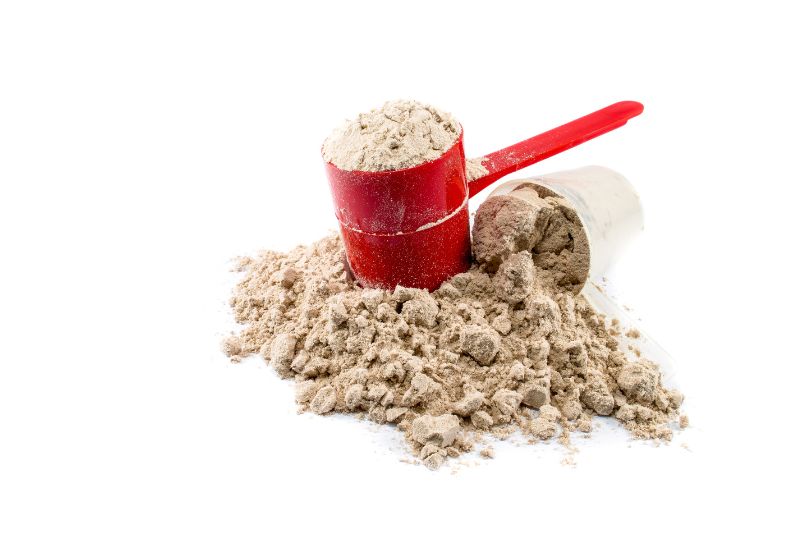
Whey protein is a popular dietary supplement derived from a byproduct of cheese-making. It is a type of complete protein containing all of the essential amino acids the body needs to build and maintain muscle mass.
Some people may be allergic or intolerant to whey protein; in some cases it may cause gastrointestinal issues such as bloating and gas. It is recommended to start with a small dosage and monitor your body’s response to it. It is also important to speak with a healthcare professional before taking any dietary supplements especially if you have a pre-existing health condition.
Whey protein is a convenient and effective way to increase muscle mass and improve recovery after exercise. It is considered a safe dietary supplement in recommended dosages and under medical supervision.
What is Plant-based protein powder?

Plant-based protein powder is a dietary supplement made from various plant-based sources such as peas, rice, hemp, soy and other grains. It is a popular alternative to animal-based protein powders such as whey and casein as it is suitable for vegetarians, vegans and people with specific dietary restrictions. It is a good source of essential amino acids, fibre, vitamins and minerals.
These are considered complete proteins containing all the essential amino acids needed for muscle growth and repair. However, the amino acid profile of plant-based protein powders may not be as complete as animal-based protein powders. Some plant-based protein powders may be fortified with other amino acids to improve their nutritional profile.
Speaking with a healthcare professional before taking any dietary supplements is always recommended.
Comparison chart for Whey protein and Plant-based protein powder
| Whey Protein | Plant-based Protein |
| Derived from a byproduct of cheese-making | Derived from plants such as peas, rice, hemp, soy and other grains |
| Complete protein containing all essential amino acids | Typically considered a complete protein but the amino acid profile may not be as complete as animal-based protein |
| High bioavailability, easily absorbed and utilized by the body | Typically lower bioavailability than whey protein |
| Popular among athletes and bodybuilders for muscle building and recovery | Suitable for vegetarians, vegans and people with certain dietary restrictions |
| Can cause gastrointestinal issues such as bloating and gas for some people | Generally well-tolerated but some may contain allergens such as soy or nuts |
| Form available as concentrate, isolate and hydrolysate | Available in variety of options |
| Taste and texture may be preferred by some people | Taste and texture may vary and may be different from animal-based protein powders |
Protein content

Whey protein
One of the main benefits of whey protein is its high bioavailability, meaning that the body can easily absorb and utilize it. This makes it an ideal protein source for athletes, bodybuilders and anyone looking to increase muscle mass and improve recovery after exercise.
Whey protein powder is typically taken as a shake or smoothie mixed with water or milk. It can also be added to baked goods, oatmeal and other foods to boost the protein content. It’s also available in different forms like concentrate, isolate and hydrolysate.
The whey protein comprises several different protein fractions, including beta-lactoglobulin, alpha-lactalbumin and immunoglobulins. Each of these fractions has unique properties and benefits, which is why whey protein is considered one of the most effective types of protein for muscle building and recovery.
Plant-based protein
Plant-based protein powders can be used in a variety of ways including mixing them into shakes, smoothies and baked goods. They can also be used as a meat replacement in recipes such as veggie burgers and meatless meatballs. Some people may find the taste and texture of plant-based protein powders to be different from animal-based protein powders. But with the wide variety of options available, you can find the right one that suits your taste and needs.
Did you know?
Whey protein is the most popular type of protein powder, accounting for more than 60% of the global protein powder market.
Plant-based protein powder is the second most popular type of protein powder, accounting for around 30% of the global protein powder market.
Cost

Whey protein powder
The cost of Whey protein powder starts from ₹1500/- and goes upto ₹12,000/- depending on the ingredients, brand, etc.
Plant-Based protein powder
The cost of plant-based protein powder in India can vary depending on the brand and type of protein source used. On average, a 1 kg container of plant-based protein powder can range from about ₹1000/- to ₹3000/-.
However, the price can be higher or lower depending on the brand, ingredients and availability. It’s recommended to compare prices from different brands and sources to find the best deal.
How much it helps in muscle growth

Whey Protein
Whey protein is a convenient and effective way to increase muscle mass and improve recovery after exercise. It is considered a safe dietary supplement in recommended dosages and under medical supervision.
Plant-based protein
One of the main benefits of plant-based protein powders is that they are typically low in fat and cholesterol, making them a healthier option for people with certain dietary restrictions. They are also a good source of fibre, vitamins and minerals.
Conclusion
Both whey protein and plant-based protein are effective dietary supplements that can help to increase muscle mass and improve recovery after exercise.
It’s important to note that both types of protein have their own unique benefits and are useful for different people based on their dietary needs and preferences. Before starting to take any dietary supplements, it’s always recommended to speak with a healthcare professional to determine which type of protein is best for you.
FAQs
How many protein scoops a day?
Your daily protein needs depend on age, sex, weight, muscle mass, and how active you are. A common guideline is about 0.8 grams of protein per kilogram of bodyweight each day. The number of scoops depends on the brand you use. A typical 30-gram scoop of whey protein powder gives around 24–25 grams of protein. Most people use one or two scoops to help meet their daily target, depending on how much they get from meals.
When should I drink whey protein?
Many people take whey protein right after training because muscles use nutrients quickly during this period. It helps support repair and recovery. You can also drink it at other times if it helps you reach your daily intake. Whey protein fits easily into breakfast, snacks, or any moment when you need a simple protein boost.
Does whey protein affect sperm?
There isn’t much strong research on this. A few reports suggest very high amounts of whey protein might affect sperm quality, but normal use hasn’t been shown to cause clear issues. A balanced diet is still the biggest factor for reproductive health. If you’re worried about this, talk with a healthcare professional who can look at your full situation.
Is it safe to take plant-based protein?
Yes. Plant-based protein from soy, peas, lentils, beans, or mixed blends is safe for most people. It works well as an alternative to dairy powders. Many people choose it because it’s easier on digestion or fits their eating style. It can be used daily as long as the rest of your meals are balanced.
Does plant-based protein affect your kidneys?
Most people with healthy kidneys can handle plant protein without trouble. Some studies suggest that high protein intake—whether from animal or plant sources—can add stress to the kidneys in people who already have kidney issues. Those with kidney concerns should speak with a doctor before raising their protein intake. For healthy adults, normal portions of plant-based protein powder aren’t known to create kidney problems.
What is the difference between protein powder and whey protein?
The difference between protein powder and whey protein mainly comes from the source. Whey protein powder comes from milk, while other protein powders may come from plants, eggs, or blends. This is why the difference between whey and protein powder matters when you check goals, taste, and digestion. If you want fast absorption, whey based protein powder works well. If you want a dairy-free choice, plant blends fit better.
What is whey protein and where does it come from?
Whey protein comes from milk during cheese production. It’s filtered, dried, and turned into whey protein powder. People pick it for fast absorption and muscle support. The benefits of whey protein powder include steady amino acids and quick recovery. If you’re checking the difference between different protein powders, whey stands out because it absorbs faster than most plant options. It’s also widely tested, making it easy to compare across brands.
How many calories are in whey protein per scoop?
Whey protein calories per scoop usually fall between 100 and 130 depending on the brand and added flavors. A cleaner whey based protein powder may sit on the lower end, while sweeter mixes may go higher. If you’re comparing the difference between whey protein and protein powder from plants, plant blends can sometimes include more carbs or fiber, which shifts the calorie count slightly.
Is whey protein bad for you?
For most people, whey protein concentrate safety is well established. It’s tested often, widely used, and generally safe when taken in normal amounts. Problems usually appear only if someone is lactose intolerant or takes far more than needed. If you wonder about whey protein plant based diet options, people who avoid dairy usually pick plant blends instead. The important part is matching the powder to your body and habits.
What is the main difference between whey and plant protein?
The main difference between whey and plant protein is absorption and amino acid balance. Whey protein powder absorbs faster and has a strong amino profile. Plant protein v whey protein often shows plant blends digest more slowly and may need multiple sources like pea and rice to match amino strength. If you check plant protein powder reviews, you’ll see some blends match whey well, while others feel lighter or grainier.
Are plant protein powders as effective as whey?
Plant powders can work well when the blend balances pea, rice, or other sources. Many plant protein powder review posts point out that good blends match whey for daily use. Whey still absorbs faster, so people who want fast repair pick it more often. The difference between whey protein and protein powder from plants comes down to dairy, digestion, and taste preference, not just strength or quality.
Is whey suitable for vegetarians?
Yes. Whey protein powder fits most vegetarian diets because it comes from milk, not meat. People checking what is whey protein powder often learn it’s simply a dairy-based protein. Those who avoid dairy pick whey plant protein alternatives instead. If you look at the protein powder and whey protein powder difference, it mostly depends on the source. Vegetarians comfortable with dairy usually stick with whey, while vegans use plant blends.
Can whey protein come from plants?
You may see searches for whey protein from plants, but true whey can’t come from plants because it’s a milk by-product. What people often mean is whey plant based protein powder, which is actually a plant blend made to mimic whey’s amino balance. That’s why the difference between protein powder and whey matters. Whey is dairy, while plant blends copy the profile without using milk.
What’s the difference between whey protein concentrate and isolate?
The difference between whey protein concentrate and isolate comes down to filtering. Concentrate has slightly more carbs and lactose. Isolate has more protein per scoop. Both support muscle repair. Whey protein concentrate safety is strong for most people, but those who react to lactose often pick isolate. When people compare whey and protein powder difference across types, isolate absorbs faster but can cost more.
Are reviews helpful when picking between whey and plant powders?
Yes. An ascent protein powder review can show how a whey blend mixes or tastes, while plant protein powder reviews help you judge texture, digestion, and flavor. These reviews help you figure out the difference between whey and protein powder choices before buying. They also show how each powder fits different diets. Checking a mix of user feedback and labels makes the choice easier.