Introduction
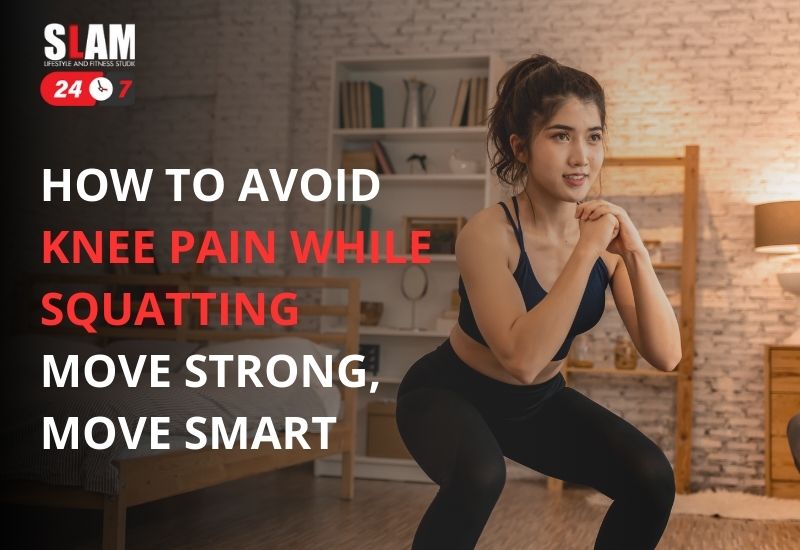
Squats should be considered a staple movement in any exercise program. Even so, a lot of people feel discomfort in their knees when squatting, leading many to quit before making progress. Well, did you know that knee pain can be eliminated with a proper squat? The most common reason for knee pain is poor technique, uneven muscles or restricted movement. Making a few small changes and being mindful will allow you to squat without pain for many years. We’ll discover how this is achieved.
What Is The Reason For Knee Pain When I Squat?
- It’s Just About The Mechanics
The majority of knee pain when squatting is caused by your movement, rather than the action itself. If your knees cave or shoot farther forward during your exercise, they’re handling more force than they should be. If your hips and ankles don’t move as they should, your pelvis can carry the load.
- Muscles That Either Do Not Support Enough Or Support Too Much
When your legs are tight or weak, your knees must take on a heavier-than-usual load. All these steps taken without rest can cause pain at first or may eventually lead to injury.
- Mobility Matters
You have to move well before you expect your body to handle weights. Tight hips or ankles can seriously impair your squat form by putting your knees in awkward positions.
How To Squat Without Getting Knee Pain
Protecting your knees when squatting doesn’t require you to be a professional athlete. Even little, regular changes can greatly improve how your knees feel.
1. Use These Basic Squat Reminders First:
- Put your feet at shoulder distance, where your feet will be parallel to your shoulders, and stand.
- Slightly position your toes in the direction that is natural for your hips.
- Have your knees point in the same direction as your toes—no buckling toward each other.
- Fail not to let your heels touch when you move.
- First, move your hips back and then bend your knees; act like you’re sitting in a chair rather than falling down.
- As you squat, keep your back straight and let the muscles around your spine engage your back.
2. Build Up The Muscles That Protect Your Knees
When your knees hurt, it’s usually due to underactive or weak supporting muscles.
Include these in your training to develop equal muscle strength.
- Glute bridges: work your hip muscles.
- Hamstring curls are the ones that are concentrated on the biceps femoris muscle and the gluteus maximus of the buttocks.
- Side lunges: Performing side lunges will help you develop your hip abductors.
- Plank and bird dogs: Important exercises to help control your trunk. Working on these supporting muscles helps your knees receive the support they need to avoid pain.
3. Increase Your Ability To Move Well
Inadequate mobility during squats can frequently burden and weaken your knees.
So, try to loosen up a little bit by having mobility
- Foam roll the hamstrings and calves
- Stretch the glutes and hip flexors
- Do ankle mobility drills (e.g., wall dorsiflexion stretch)
- Sit in a deep squat with your body weight spread across the hips
- Better joint mobility results in improved form and reduced pain when squatting.
4. Select The Proper Shoes For Stability
Your squatting shoes are more important than you may think. Your shoes influence squat mechanics. Avoid cushioning running shoes—they are too unstable. Instead, use:
- Flat-soled shoes (such as Converse or Vans)
- Weightlifting shoes with raised heels
- Barefoot (if a suitable surface and experience permit)
5. Progress Slowly And Prioritise Form
Avoid heavy squats in a rush. Bodyweight squats are the first exercise to learn. Then you can gradually add weight to the squat. Take care of the following first:
- Controlled reps
- Ideal form
- Incremental load progression
- Slow progression decreases injury risk and develops long-term strength.
6. Listen To Your Knees: They’re Sending Signals
A knee ache shouldn’t be ignored. Consider it your body’s method of telling you that something needs a little attention. This could indicate that you’re overdoing it or using poor mechanics.
- Sharp or stabbing pain during movement is a red flag—stop immediately and reassess
- Persistent swelling, instability, or worsening pain calls for a consultation with a healthcare professional or physical therapist.
- Responding to these signals early helps prevent minor issues from becoming serious injuries.
SLAMfitness: For Staying Fit And Healthy
Our belief at Slamfitness is that strength training should improve your body, rather than harm it. All of our experienced instructors focus on how to squat safely and effectively, which supports your knees and makes workout results better. No matter if you’re looking to recover from injuries or go for better times, our tailored workouts include work on mobility, strength and technique. Our team’s efforts ensure that our athletes are confident and strong and able to succeed at their goals over the years.
Conclusively, Knee Pain Can Be Eliminated
It doesn’t have to be an everyday problem for you to feel knee pain while squatting. By learning the main reasons for your symptoms—be they from muscle weakness or movement issues—you can exercise more effectively and safely. Practice core movements, make sure your strength is balanced, develop skills slowly and respond to your body’s messages. When you follow these instructions, squatting can comfortably fit into your routine. Strong knees mean better performance, and that’s what you should have.
FAQs On Knee Pain While Squatting
1. Should I avoid all forms of squatting if my knees bother me?
Not necessarily. You may be able to lower the risk of injury by using a different squat approach, reducing your weight or substituting knee-friendly moves. Still, if the sharp pain lasts and is persistent, you should see a professional.
2. Is it possible for those with knee problems to squat?
Yes, a lot of people can gradually learn to perform squats if they do proper instruction, improve flexibility and try types of squats that don’t strain the knees, like box or goblet squats. Always try to make your body work well and without pain.
3. If your knees are an issue, which squat should a beginner try first?
For beginners, goblet squats and box squats are ideal exercises. They build up their muscles and protect their knees from moving unnaturally in front.
4. Do knee sleeves help protect your knees while squatting?
Knee sleeves provide some warmth and compression that not only offers comfort but also provides a slight benefit. Nonetheless, using a medicine ball doesn’t replace the importance of having good posture and strong muscles.
5. Will stretching before a squat actually prevent knee pain?
Yes, absolutely. Before squatting, perform dynamic stretches and Mobility drills to release tense knee, ankle, and hip muscles. This improves your squat form and reduces the possibility of painful compensations.