Building muscle requires two essential components, which include weightlifting activities and proper nutritional intake. Your recovery process and strength development, as well as your ability to build muscle, all depend on the specific foods you choose to eat. Understanding the best muscle-building diet foods helps you maximise your workout efforts while maintaining overall health.
At Slamfitness, we emphasise a holistic approach to muscle development: combining effective training routines with nutrition that delivers real, sustainable results. Below is a detailed guide to the 15 best muscle-building foods that can help you gain strength and size naturally.
Muscle-Building Foods
- The food contains high protein content, which helps build muscles.
- The product contains essential vitamins and minerals in high quantities.
- The body needs these two elements for recovery, while they also decrease body inflammation.
- The solution enhances workout performance by increasing both energy and endurance.
- The solution helps the body to build lean muscle mass.
1. Chicken Breast
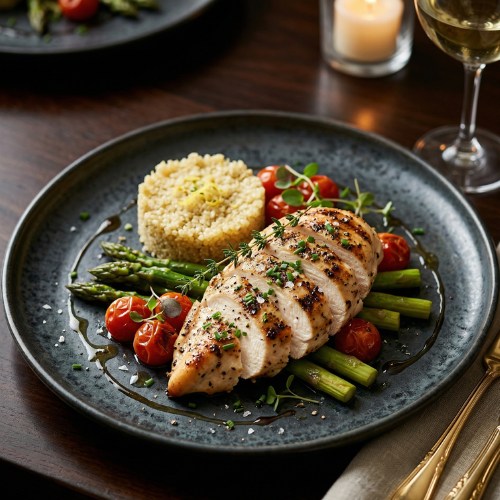
Chicken breast provides lean, high-quality protein, which supports muscle tissue repair and development. The food contains all essential amino acids, which makes it one of the best options for muscle-building foods. Low-fat content enables you to consume more protein while avoiding additional calories.
2. Eggs
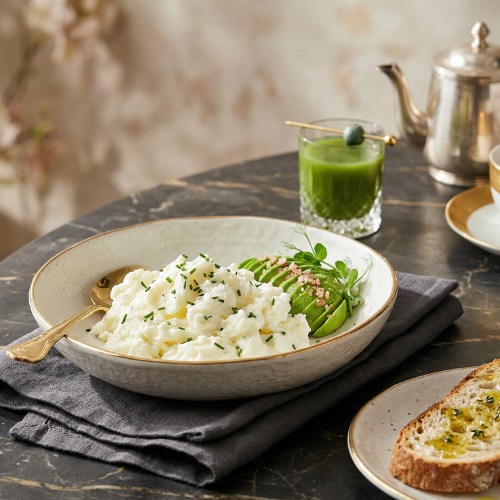
Eggs provide a full protein source that contains all essential amino acids required for muscle development. The eggs also provide beneficial fats and B12 vitamins, which assist in producing energy. The simplest method to add natural muscle-building foods to your everyday meals is by including eggs in your diet.
3. Greek Yoghurt
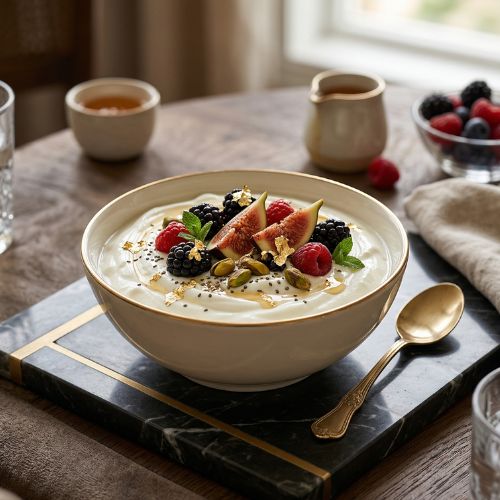
Greek yoghurt is packed with protein and probiotics that aid digestion. It provides both fast-digesting whey and slow-digesting casein protein, which helps sustain muscle repair over time. It’s a versatile muscle-building food that can be eaten as a snack or post-workout recovery meal.
4. Salmon
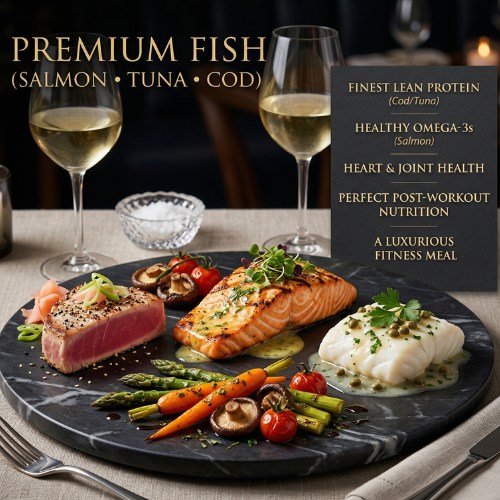
Salmon is rich in protein and omega-3 fatty acids, which reduce inflammation and enhance recovery. The healthy fats support hormone production, including testosterone, which is crucial for muscle development. In any muscle-building diet, salmon is a must-have food.
5. Quinoa
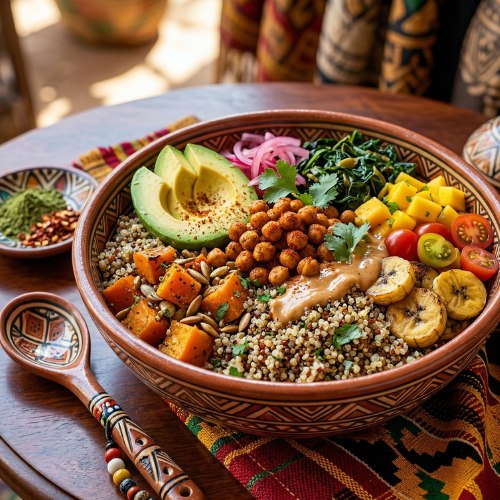
Quinoa serves as a complete protein source because it provides all nine essential amino acids through its plant-based composition. The food contains high levels of fibre, magnesium and iron, which makes it an ideal choice for building muscles that require energy and endurance during intense workout sessions.
6. Lean Beef
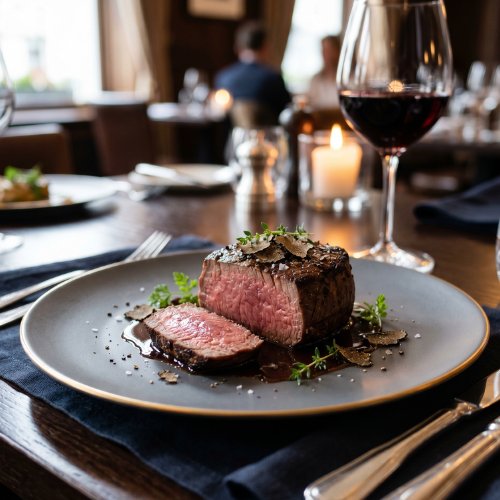
Lean beef is high in protein, creatine, and iron. Creatine improves strength and power during resistance training, while iron supports oxygen transport to muscles. Including lean beef in your meals makes it one of the most effective muscle-building foods for mass gain.
7. Cottage Cheese
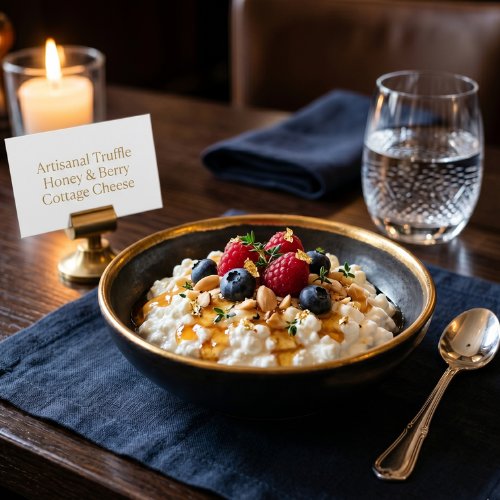
Cottage cheese contains casein protein, which breaks down at a slow rate to deliver a constant amino acid distribution during the night. The food serves as an ideal nighttime snack because it supports muscle recovery, which makes it a popular choice for people who want to build muscle.
8. Tuna

Tuna provides a lean protein source which contains omega-3 fatty acids. The food contains minimal calories and fat content, which makes it suitable for building lean muscle mass. Tuna provides an easy method to add high-quality muscle -building foods to your diet because it contains low calories.
9. Lentils
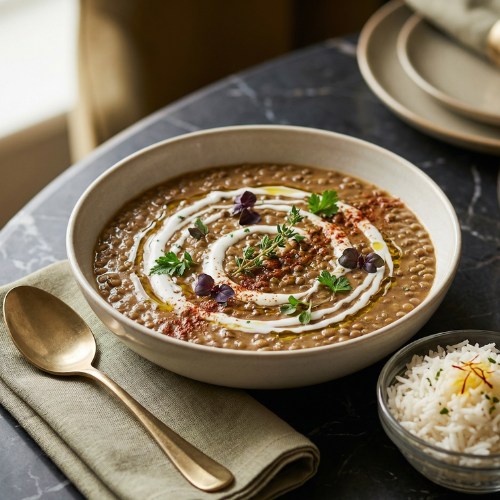
Lentils contain high amounts of protein, together with fiber and complex carbohydrates. The body receives prolonged energy from them, which helps with workouts while providing essential amino acids needed for muscle recovery. Vegetarians should make lentils their primary plant-based protein source because they help build muscle.
10. Almonds

Almonds provide healthy fats, vitamin E, and magnesium, which support muscle function and recovery. They are also calorie-dense, making them a convenient muscle-building food for adding extra energy and nutrients to your diet.
11. Brown Rice
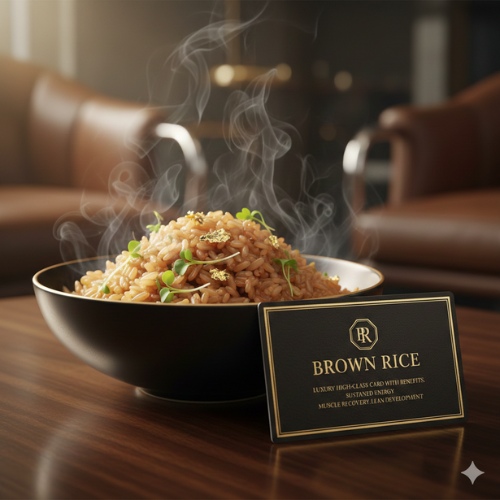
Brown rice is a complex carbohydrate that provides sustained energy during training. The food serves as a primary muscle-building component of all dietary programs because it combines with protein sources to improve recovery and enhance lean muscle development.
12. Whey Protein
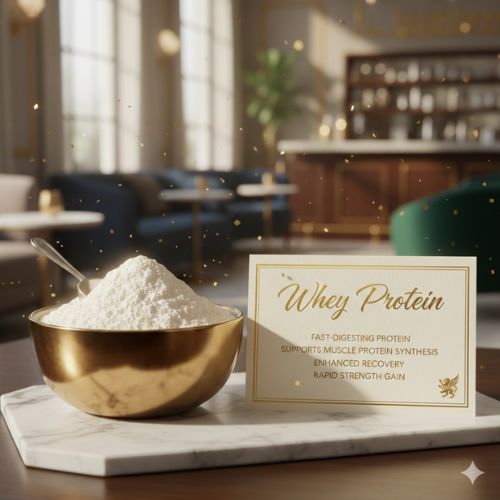
Whey protein serves as the fastest-digesting protein because its high content of branched-chain amino acids supports muscle protein synthesis. The combination of whey with your muscle-building diet helps your body recover better and enables you to gain strength at a faster rate.
13. Sweet Potatoes

Sweet potatoes contain complex carbohydrates, fibre, and beta-carotene vitamins. The sweet potatoes provide energy for exercise and help the body recover and restore glycogen levels. Sweet potatoes stand out as nutritious muscle-building foods because they are easy to include in meals.
14. Spinach
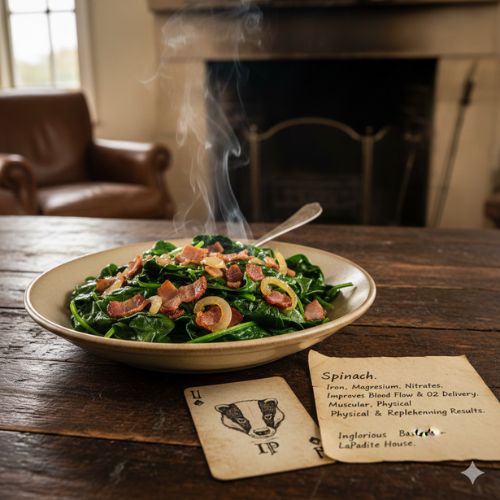
Spinach is high in iron, magnesium, and nitrates, which improve blood flow and oxygen delivery to muscles. Such nutrients are expected to lead to muscular, physical, and breath-taking results and replenish reserves in the body.
15. Oats
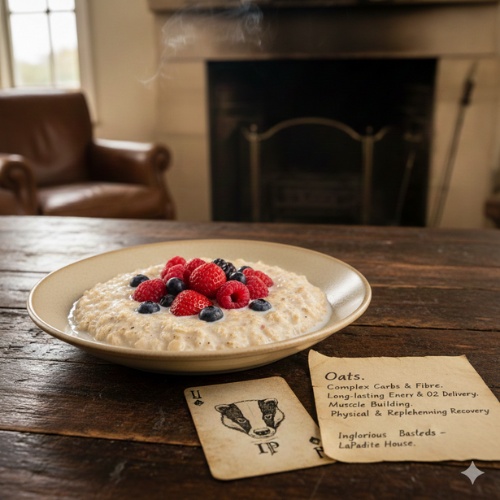
Oats are rich in complex carbohydrates and fibre, providing long-lasting energy for high-intensity workouts. Therefore, oats provide an important food for muscle building, as they contain important minerals like zinc and magnesium, supportive of muscle contraction and recovery.
Slamfitness Studio Philosophy: Muscle-Building Foods
At Slamfitness Studio, we believe nutrition is just as important as exercise when it comes to achieving sustainable strength and muscle growth. Our approach to muscle-building foods emphasises simple, affordable, and accessible options, focusing on nutrient-dense meals that support recovery and provide lasting energy. We prioritise balanced combinations of protein, carbohydrates, and healthy fats, ensuring long-term health alongside muscle development.
Tips to Maximise the Benefits of Muscle-Building Foods
- Eat protein-rich foods at every meal to support muscle repair.
- During training and post-training, consider pairing complex carbohydrates with protein.
- The athletes must consume complex carbohydrates together with protein during both their training and post-training periods.
- The body needs healthy fats to support both hormonal reproduction and recovery processes.
- The best meal plan should distribute protein throughout the day to achieve optimal absorption.
Conclusion
Building strength and lean muscle requires more than lifting weights; it requires strategic nutrition. The 15 muscle-building foods listed above provide the essential nutrients, energy, and recovery support your body needs to grow stronger.
We believe in keeping a balance between technology and traditional sports and eating well, adding that it provides a well-rounded fitness experience. By incorporating these foods into your diet, you can maximise muscle growth, enhance recovery, and achieve long-term fitness results.
FAQs
1. How many meals should I eat to maximise muscle growth?
Aim for 4–6 balanced meals daily, including protein and complex carbs in each, for optimal muscle recovery.
2. Are plant-based muscle-building foods effective?
Absolutely, lentils, quinoa, and spinach fill the vegan plate to make delicious dishes of highly nutritious entertainment for maintaining muscles.
3. Can I build muscle without supplements?
Sure. Clean, whole food sources of chicken, eggs, and salmon can offer strength-building protein necessary for anabolic induction.
4. How do muscle-building foods support recovery?
High protein assists in building muscle tissue, while complex carbs can replenish lost glycogen, and healthy fats can reduce inflammation after a session of serious weightlifting.
5. Should I eat protein before or after workouts?
Both are important. Protein before supports amino acid availability, while post-workout protein helps repair and build muscles.
6. Can nuts and seeds help in muscle building?
Indeed, almonds, walnuts, and seeds also deliver necessary fats and proteins for strength and recovery of micronutrients.
7. How much protein do I need daily for muscle growth?
The standard recommendation prescribes 1.6-2.2g of protein per kilogram of body weight for individuals who are watching their weight.