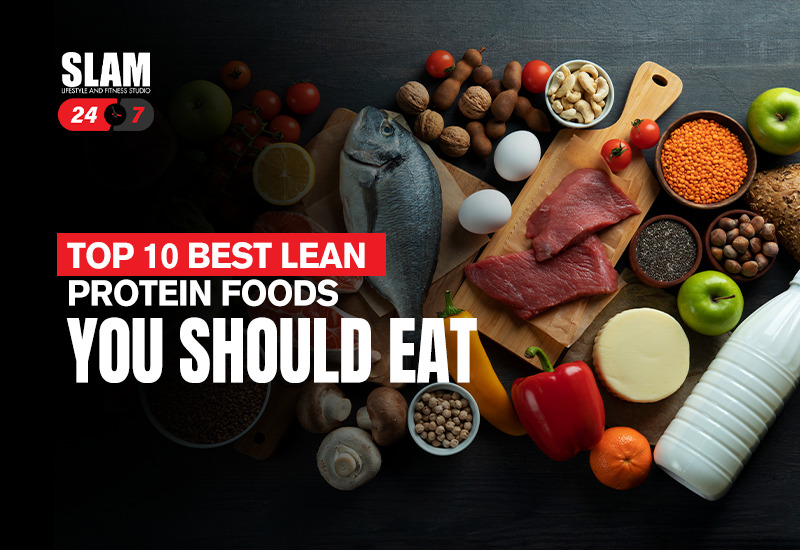
The selection of appropriate lean protein foods enables your body to develop muscle and decrease fat while it heals from exercise. In this guide, we explore the Top 10 best lean protein foods that support strength, weight management, and overall health. The best lean protein foods will help you achieve your fitness goals, whether you are an experienced athlete or a beginner. The performance-driven brand Slamfitness establishes its belief that smart nutrition creates lasting results as its core principle.
Introduction
When it comes to achieving fitness goals, training is only half the equation. Nutrition plays an equally important role. Including the Top 10 best lean protein foods in your daily meals helps improve muscle repair, metabolic health, and body composition. At Slamfitness, we consistently educate our community about choosing high-quality lean protein foods that fuel performance without unnecessary calories. This article covers the top protein sources, how they benefit your body, and how to include them effectively in your diet plan.
Lean protein foods per 100 grams must contain:
- Less than 10 g total fat
- Less than 4.5 g saturated fat
- Less than 95 mg cholesterol
Why Lean Protein Foods Matter for Fitness and Fat Loss
Protein is essential for muscle repair, enzyme production, and hormone balance. However, not all protein sources are equal. Lean protein foods provide high protein content with minimal saturated fat and calories. The optimal solution for muscle development and body fat control requires their use as trackable workout equipment. The dietary inclusion of lean protein foods provides multiple advantages to health in this study.
The protein content of the food helps with muscle development and recovery. The food increases fullness while decreasing the need to eat more. The process helps people achieve their weight reduction goals. The study found that people who consume enough protein maintain their muscle mass better during weight loss. The process becomes crucial for SlamFitness gym users who want to decrease body fat and transform their physiques.
Top 10 Best Lean Protein Foods You Should Eat
Below are the Top 10 best lean protein foods that deliver high nutritional value with minimal fat.
1. Skinless Chicken Breast
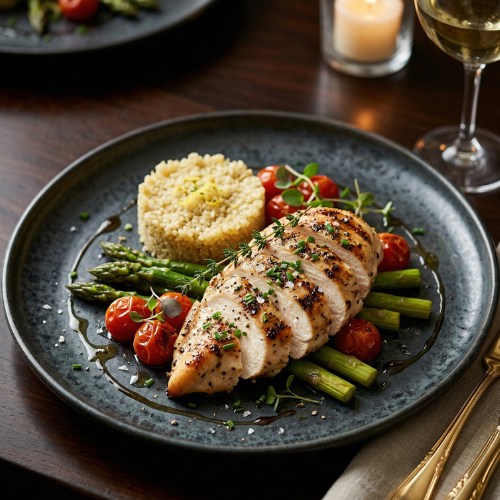
Chicken breast is one of the most popular lean protein foods among athletes. It is low in fat and rich in complete protein.
- Around 31 grams of protein per 100 grams
- Easy to cook and versatile
- Ideal for muscle-building diets
Grilled or baked chicken breast works perfectly for meal prep plans.
Nutrition Facts Per 100g of Skinless Chicken Breast
Nutrition Facts
| Nutrient | Amount |
|---|---|
| Calories | 165 kcal |
| Protein | 31 g |
| Total fat | 3.6 g |
| Saturated fat | 1.0 g |
| Monounsaturated fat | 1.2 g |
| Polyunsaturated fat | 0.8 g |
| Cholesterol | 85 mg |
| Carbohydrates | 0 g |
| Sugar | 0 g |
| Fiber | 0 g |
| Sodium | 74 mg |
| Water | 65 g |
Complete Amino Acid Profile (per 100 g)
All 9 essential amino acids are present in substantial amounts:
| Essential Amino Acid | Amount |
|---|---|
| Leucine | 2.3 g |
| Lysine | 2.6 g |
| Isoleucine | 1.4 g |
| Valine | 1.5 g |
| Threonine | 1.3 g |
| Phenylalanine | 1.2 g |
| Methionine | 0.9 g |
| Histidine | 1.0 g |
| Tryptophan | 0.36 g |
Protein Quality Scores
| Score | Value |
|---|---|
| PDCAAS | 1.0 (maximum) |
| DIAAS | ~1.08 |
| Biological Value (BV) | ~79 |
| Net Protein Utilization (NPU) | ~73 |
| Protein Efficiency Ratio (PER) | ~3.2 |
Key Vitamins (per 100 g, with % Daily Value)
| Vitamin | Amount | % DV |
|---|---|---|
| Niacin (B3) | 13.7 mg | 86% |
| Vitamin B6 | 1.0 mg | 59% |
| Pantothenic Acid (B5) | 1.6 mg | 32% |
| Vitamin B12 | 0.34 µg | 14% |
| Riboflavin (B2) | 0.2 mg | 15% |
| Thiamine (B1) | 0.07 mg | 6% |
| Folate (B9) | 4 µg | 1% |
| Choline | 85 mg | 15% |
| Vitamin A (retinol) | 9 µg | 1% |
| Vitamin D | 2 IU | <1% |
| Vitamin E | 0.27 mg | 2% |
| Vitamin K | 0.3 µg | <1% |
Trace Minerals (per 100 g)
| Mineral | Amount | % DV |
|---|---|---|
| Selenium | 27.6 µg | 50% |
| Phosphorus | 228 mg | 18% |
| Potassium | 256 mg | 5% |
| Magnesium | 29 mg | 7% |
| Zinc | 1.0 mg | 9% |
| Iron | 1.0 mg (heme) | 6% |
| Copper | 0.05 mg | 6% |
| Manganese | 0.02 mg | 1% |
| Sodium | 74 mg | 3% |
| Calcium | 15 mg | 1% |
| Iodine | ~7 µg | 5% |
Bioactive Compounds
| Compound | Approximate Amount (per 100 g) | Function |
|---|---|---|
| Creatine | 0.4 g | Muscle energy (ATP), strength, cognition |
| Carnosine | 0.18–0.30 g | Muscle pH buffer, antioxidant, anti-aging |
| Anserine | 0.28–0.45 g | Antioxidant, similar to carnosine |
| Taurine | 0.02–0.05 g | Cardiovascular, neural function |
| Carnitine | 3–5 mg | Fat metabolism, mitochondrial energy |
| CoQ10 | 1.4 mg | Cellular energy, antioxidant |
| Glutathione precursors | present | Antioxidant defense |
| Collagen peptides | trace | Mostly in skin/connective tissue (limited in breast) |
Protein Quality and Absorption
- Digestibility: approximately 94–97%
- Absorption rate: moderate (slower than whey, faster than casein) — roughly 5–7 g of protein absorbed per hour
- Bioavailable protein per 100 g: about 29–30 g of the 31 g is usable
- No anti-nutrients (phytates, tannins, or trypsin inhibitors) that hinder absorption
2. Egg Whites
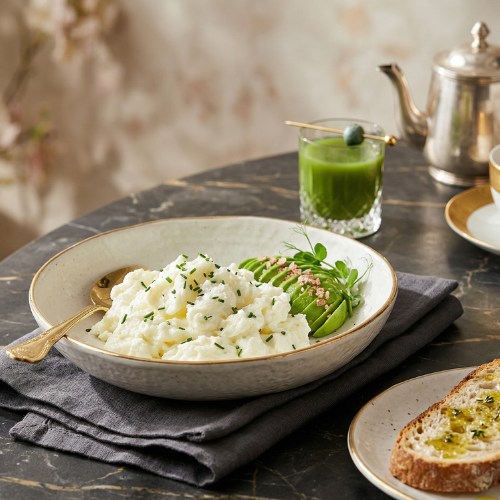
White-coloured eggs contain pure protein, staving off the fat from yolks. They are one of the most efficient lean protein foods for low-calorie diets.
- About 11 grams of protein per 100 grams
- Low in calories
- Easily digestible
They are excellent for breakfast or post-workout meals.
Nutrition Facts Per 100g of Egg Whites
Nutrition Facts
| Nutrient | Amount |
|---|---|
| Calories | 52 kcal |
| Protein | 10.9 g |
| Total fat | 0.17 g |
| Saturated fat | 0 g |
| Monounsaturated fat | 0 g |
| Polyunsaturated fat | 0 g |
| Cholesterol | 0 mg |
| Carbohydrates | 0.73 g |
| Sugar | 0.71 g |
| Fiber | 0 g |
| Sodium | 166 mg |
| Potassium | 163 mg |
| Water | 87.6 g |
Complete Amino Acid Profile (per 100 g)
| Essential Amino Acid | Amount |
|---|---|
| Leucine | 0.93 g |
| Lysine | 0.68 g |
| Isoleucine | 0.63 g |
| Valine | 0.74 g |
| Threonine | 0.45 g |
| Phenylalanine | 0.68 g |
| Methionine | 0.40 g |
| Histidine | 0.24 g |
| Tryptophan | 0.14 g |
Protein Quality Scores
| Score | Value |
|---|---|
| PDCAAS | 1.0 (maximum) |
| DIAAS | ~1.13 |
| Biological Value (BV) | 100 (the gold standard) |
| Net Protein Utilization (NPU) | ~94 |
| Protein Efficiency Ratio (PER) | ~3.9 |
| Chemical Score | 100 |
Key Vitamins (per 100 g, with % Daily Value)
| Vitamin | Amount | % DV |
|---|---|---|
| Riboflavin (B2) | 0.44 mg | 34% |
| Niacin (B3) | 0.11 mg | 1% |
| Pantothenic Acid (B5) | 0.19 mg | 4% |
| Vitamin B6 | 0.005 mg | <1% |
| Vitamin B12 | 0.09 µg | 4% |
| Folate (B9) | 4 µg | 1% |
| Choline | 1.1 mg | <1% |
| Vitamin A | 0 IU | 0% |
| Vitamin D | 0 IU | 0% |
| Vitamin E | 0 mg | 0% |
| Vitamin K | 0 µg | 0% |
Trace Minerals (per 100 g)
| Mineral | Amount | % DV |
|---|---|---|
| Selenium | 20 µg | 36% |
| Sodium | 166 mg | 7% |
| Potassium | 163 mg | 3% |
| Phosphorus | 15 mg | 1% |
| Magnesium | 11 mg | 3% |
| Calcium | 7 mg | 1% |
| Zinc | 0.03 mg | <1% |
| Iron | 0.08 mg | <1% |
| Copper | 0.02 mg | 2% |
| Manganese | 0.01 mg | <1% |
| Iodine | ~2 µg | 1% |
Bioactive Compounds
| Compound | Function |
|---|---|
| Ovalbumin (~54% of egg white protein) | Antioxidant, immune-modulating, antimicrobial |
| Ovotransferrin / conalbumin (~12%) | Iron-binding, antibacterial, antiviral |
| Ovomucoid (~11%) | Trypsin inhibitor (mostly destroyed by cooking) |
| Lysozyme (~3.5%) | Powerful antibacterial enzyme — used commercially as a natural preservative |
| Ovomucin (~3.5%) | Antiviral, supports gut health, gives egg white its viscosity |
| Avidin (~0.05%) | Binds biotin when raw; deactivated by cooking |
| Cystatin | Antiviral, protease inhibitor |
| Egg white peptides (post-digestion) | ACE-inhibitory (may lower blood pressure), antioxidant, antihypertensive |
| Cysteine | Precursor to glutathione, the body’s master antioxidant |
Protein Quality and Absorption
- Digestibility: approximately 97–98% (one of the highest of any whole food)
- Absorption rate: moderate to fast — about 3 g of protein absorbed per hour (slower than whey, faster than casein)
- Bioavailable protein per 100 g: roughly 10.5 g of the 10.9 g is usable
- Raw egg whites should not be eaten — they contain avidin, which binds biotin (vitamin B7) and blocks its absorption, and pose a salmonella risk. Cooking denatures avidin and kills bacteria.
- Cooked egg white protein digestibility jumps from ~50% (raw) to ~94–98% (cooked) — one of the largest cooking-induced absorption gains in any food
- No anti-nutrients after cooking
- Pasteurized liquid egg whites (cartons) are safe to consume without further cooking
3. Fish (Salmon, Tuna, Cod)
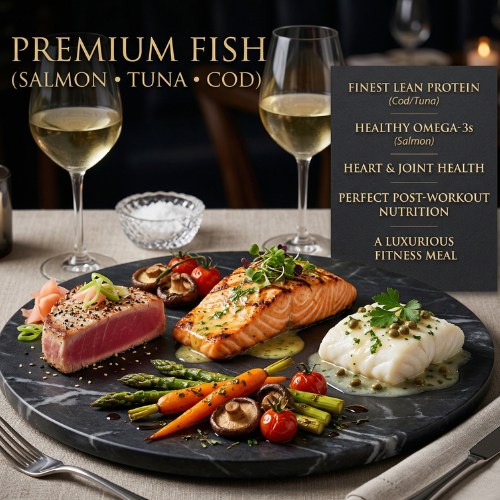
Certain fish varieties qualify as lean protein foods, especially tuna and cod. Although salmon contains a bit more fat than other fish, it offers healthy omega-3 fatty acids.
- The product delivers complete protein of high quality.
- The product promotes heart health and joint health.
- The product serves as perfect nutrition for post-exercise recovery.
Grilled fish with vegetables makes a balanced fitness meal.
Nutrition Facts Per 100g of Fish (Salmon, Tuna, Cod)
Nutrition Facts Comparison
| Nutrient | Salmon (Atlantic, farmed) | Tuna (Yellowfin) | Cod (Atlantic) |
|---|---|---|---|
| Calories | 206 kcal | 130 kcal | 90 kcal |
| Protein | 22 g | 29 g | 20 g |
| Total fat | 12 g | 1.0 g | 0.7 g |
| Saturated fat | 3.1 g | 0.3 g | 0.1 g |
| Omega-3 (EPA+DHA) | 2.2 g | 0.3 g | 0.16 g |
| Cholesterol | 63 mg | 47 mg | 55 mg |
| Carbohydrates | 0 g | 0 g | 0 g |
| Sodium | 61 mg | 45 mg | 78 mg |
| Water | 64 g | 68 g | 78 g |
Complete Amino Acid Profile (per 100 g)
| Essential Amino Acid | Salmon | Tuna | Cod |
|---|---|---|---|
| Leucine | 1.78 g | 2.36 g | 1.62 g |
| Lysine | 2.01 g | 2.66 g | 1.83 g |
| Isoleucine | 1.01 g | 1.34 g | 0.92 g |
| Valine | 1.13 g | 1.50 g | 1.03 g |
| Threonine | 0.96 g | 1.27 g | 0.87 g |
| Phenylalanine | 0.86 g | 1.13 g | 0.78 g |
| Methionine | 0.65 g | 0.86 g | 0.59 g |
| Histidine | 0.65 g | 0.86 g | 0.59 g |
| Tryptophan | 0.25 g | 0.33 g | 0.22 g |
Protein Quality Scores
| Score | Salmon | Tuna | Cod |
|---|---|---|---|
| PDCAAS | 1.0 | 1.0 | 1.0 |
| DIAAS | ~1.05 | ~1.10 | ~1.03 |
| Biological Value (BV) | ~83 | ~83 | ~80 |
| Net Protein Utilization (NPU) | ~80 | ~80 | ~76 |
| Protein Efficiency Ratio (PER) | ~3.5 | ~3.6 | ~3.3 |
Key Vitamins (per 100 g, % Daily Value)
| Vitamin | Salmon | Tuna | Cod |
|---|---|---|---|
| Vitamin D | 526 IU (66%) | 80 IU (10%) | 36 IU (5%) |
| Vitamin B12 | 2.8 µg (118%) | 9.4 µg (392%) | 1.0 µg (42%) |
| Niacin (B3) | 8.0 mg (50%) | 19 mg (118%) | 2.5 mg (16%) |
| Vitamin B6 | 0.9 mg (53%) | 1.0 mg (59%) | 0.4 mg (24%) |
| Riboflavin (B2) | 0.4 mg (31%) | 0.1 mg (8%) | 0.08 mg (6%) |
| Thiamine (B1) | 0.3 mg (25%) | 0.4 mg (33%) | 0.08 mg (7%) |
| Pantothenic Acid (B5) | 1.7 mg (34%) | 1.2 mg (24%) | 0.2 mg (4%) |
| Folate (B9) | 25 µg (6%) | 2 µg (1%) | 7 µg (2%) |
| Choline | 91 mg (17%) | 65 mg (12%) | 84 mg (15%) |
| Vitamin A | 58 IU (1%) | 655 IU (13%) | 12 IU (<1%) |
| Vitamin E | 3.5 mg (23%) | 1.0 mg (7%) | 0.7 mg (5%) |
| Vitamin K | 0.5 µg (<1%) | 0.1 µg (<1%) | 0.1 µg (<1%) |
Trace Minerals (per 100 g)
| Mineral | Salmon | Tuna | Cod |
|---|---|---|---|
| Selenium | 41 µg (75%) | 92 µg (167%) | 38 µg (69%) |
| Phosphorus | 252 mg (20%) | 278 mg (22%) | 138 mg (11%) |
| Potassium | 384 mg (8%) | 444 mg (9%) | 244 mg (5%) |
| Magnesium | 30 mg (7%) | 64 mg (15%) | 42 mg (10%) |
| Iodine | 28 µg (19%) | 18 µg (12%) | 110 µg (73%) |
| Zinc | 0.4 mg (4%) | 0.6 mg (5%) | 0.5 mg (5%) |
| Iron | 0.3 mg (heme) | 1.0 mg (heme) | 0.4 mg (heme) |
| Copper | 0.05 mg (6%) | 0.09 mg (10%) | 0.04 mg (4%) |
| Calcium | 13 mg (1%) | 4 mg (<1%) | 14 mg (1%) |
| Manganese | 0.02 mg (1%) | 0.02 mg (1%) | 0.02 mg (1%) |
Bioactive Compounds
| Compound | Salmon | Tuna | Cod | Function |
|---|---|---|---|---|
| EPA + DHA (Omega-3s) | 2,200 mg | 270 mg | 160 mg | Anti-inflammatory, cardiovascular, brain, eye health |
| Astaxanthin | 0.5–4 mg | Trace | 0 | Powerful antioxidant (gives salmon its pink color) |
| Taurine | 130 mg | 280 mg | 110 mg | Cardiovascular, neural, and eye function |
| Creatine | 0.4 g | 0.4 g | 0.3 g | Muscle energy, strength, cognition |
| Carnosine | Trace | Trace | Trace | Antioxidant, muscle pH buffer |
| Anserine | 0.3–1.5 g | 0.5–1.0 g | 0.1–0.3 g | Antioxidant, similar to carnosine |
| CoQ10 | 0.4–1.0 mg | 1.5 mg | 0.4 mg | Cellular energy, antioxidant |
| Vitamin D (Cholecalciferol) | High | Moderate | Low | Bone, immune, and mood support |
| Bioactive Peptides | Present | Present | Present | ACE-inhibitory, antihypertensive, antioxidant |
| Collagen (Skin/Bones) | Present | Present | Present | Joint and skin support — fish collagen is highly bioavailable |
| Glutathione | Present | Present | Present | Master antioxidant |
Protein Quality and Absorption
- Digestibility: approximately 94–96% across all three fish
- Bioavailable protein per 100 g: roughly 20–28 g usable
- No anti-nutrients
4. Greek Yoghurt (Low-Fat)
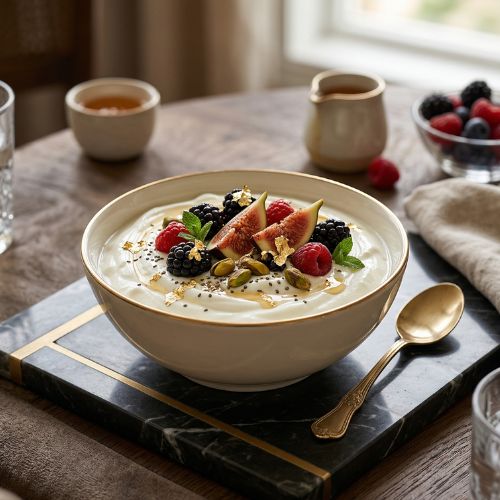
Low-fat Greek yoghurt ranks as one of the Top 10 best foodswhich provide lean protein. The food serves as an excellent protein source because it helps maintain gut health while delivering muscle support.
- High in protein
- Contains probiotics
- Great for snacks and smoothies
Choose unsweetened options to avoid added sugars.
5. Cottage Cheese (Low-Fat Paneer)
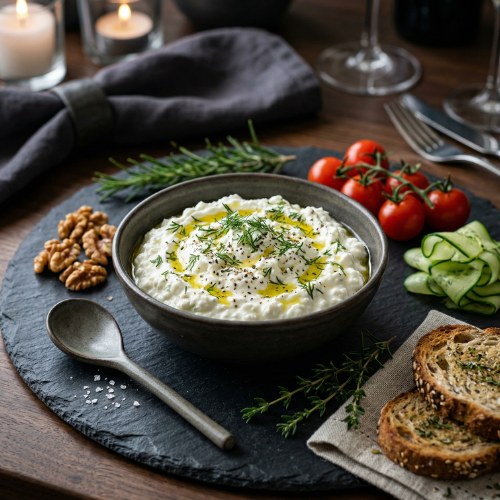
Low-fat cottage cheese is a staple in many high-protein diets. It is one of the most accessible lean protein foods in India.
- Rich in casein protein
- Supports overnight muscle repair
- Easy to include in salads or wraps
It is especially useful for vegetarians seeking the best lean protein foods.
6. Lentils
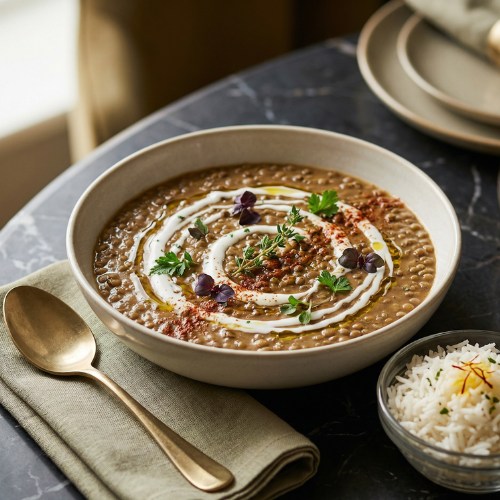
Lentils are plant-based, lean protein foods packed with fibre and micronutrients.
- Supports digestion
- Allows steady blood sugar
- An affordable protein source
A good dish and lentils pair with rice or other whole grains.
7. Tofu
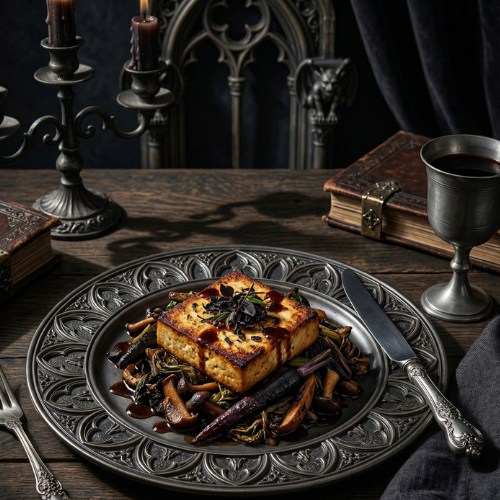
Tofu is a good vegetarian option among the best 10 lean protein foods, and it is soy-based.
- Contains complete plant protein
- Low in saturated fat
- Multi-talented when it comes to Indian and Asian recipes
Whether it be grilled or stir-fried, tofu works wonders when put in a balanced diet.
8. Turkey Breast
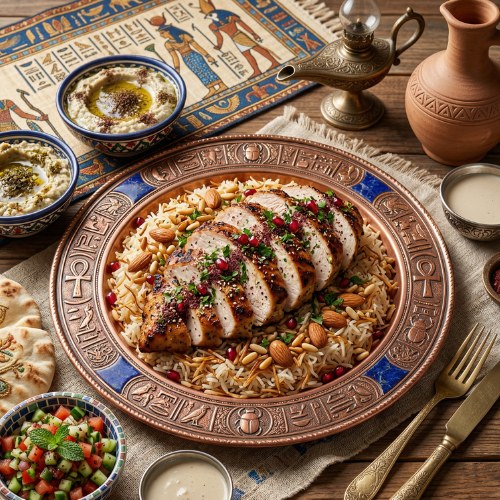
As a lean meat, turkey is considered to be tastier than chicken in every regard.
- for muscle gain phases.
- High protein density
- Low fat content
Great for sandwiches or salads
9. Quinoa
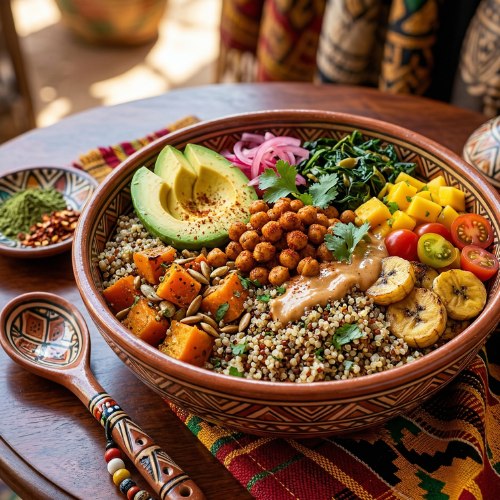
Quinoa is not only a carbohydrate source but also a plant-based protein. It deserves mention among lean protein foods because it contains all essential amino acids.
- High fiber
- Gluten-free
- Suitable for vegetarian diets
It works well as a base for protein bowls.
10. Protein Supplements (Whey Isolate)
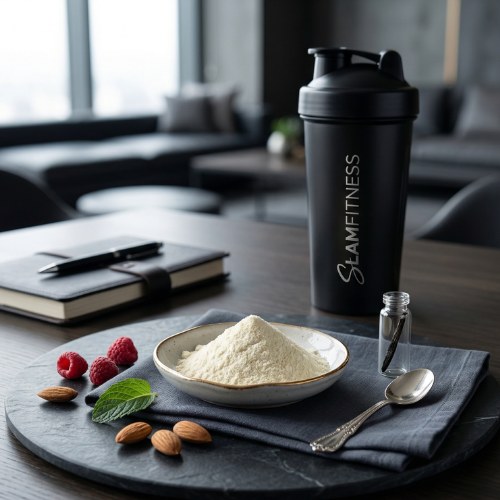
While it’s ideal to take in whole foods, you can get some help from whey isolate, a lean protein food.
- Quick absorption
- Low in fats and lactose
- Ideal for post-workout
At Slamfitness, their trainers recommend whey isolate when whole food intake falls short.
How to include the top 10 best lean protein foods in your daily diet
Including lean protein foods does not require a complete change of diet. Rather, the focus should be turned toward balance and portion control.
Practical tips:
- Add egg whites or Greek yoghurt to breakfast
- Include chicken, tofu, or lentils in lunch
- Choose fish or cottage cheese for dinner
- Use whey isolate after workouts
The need for consistent performance exceeds the importance of achieving perfect results. The body composition changes from daily protein intake improvements, which start from small amounts.
Slamfitness Studio Approach to Nutrition and Lean Protein Foods
The Slamfitness Studio brand accomplishes actual results through its training system, which requires dedicated nutritional practices. The process of exercising requires people to eat lean protein foods because this combination will maximise their workout results. Our coaches develop customised diet plans for members, which include body composition measurements and meal planning systems, and they provide ongoing education about suitable lean protein options to help their clients build strength and reach their fitness objectives.
Bonus Tips for Maximising Results with Lean Protein Foods
Aim for 1.6 to 2.2 grams of protein per kg of body weight if training regularly.
- Spread protein intake evenly across meals
- Combine plant proteins strategically
- Stay hydrated to support digestion
Tracking your intake for a few weeks can help you understand if you are meeting your protein goals.
Conclusion
The selection process for the Top 10 best lean protein foods requires actual dietary knowledge instead of following current popular trends. The process of selecting nutritious food options needs scientific evidence, which will help people achieve their muscle development, weight loss and complete health objectives. Slamfitness views fitness as an essential lifestyle which requires proper food choices and dedicated exercise practices. Your body transformation process will benefit from your routine consumption of high-quality lean protein foods because they establish essential nutritional support.
FAQs
1. What are the Top 10 best lean protein foods for muscle gain?
The Top 10 best lean protein foods include chicken breast, egg whites, fish, Greek yoghurt, cottage cheese, lentils, tofu, turkey breast, quinoa, and whey isolate.
2. How many lean protein foods should I eat daily?
Active individuals should consume adequate lean protein foods to meet 1.6 to 2.2 grams of protein per kg of body weight, depending on their fitness goals.
3 The best lean protein foods include vegetarian options as part of their selection list?
Lentils, tofu, quinoa, and low-fat cottage cheese are excellent lean vegetarian protein sources.
4. Can lean protein foods help with weight loss?
Yes, lean proteins raise the level of satiety, conserve muscular tissue, and serve the purpose of reducing fat with balanced calorie diets.
5. Is whey protein considered one of the best lean protein foods?
The biological value of whey protein isolates outperforms other lean protein foods, providing high protein but minimal fat and carbohydrates.
6. Why does Slamfitness emphasise lean protein foods in diet plans?
Slamfitness promotes lean protein foods to make a better recovery, increase performance, and help people in body transformations.