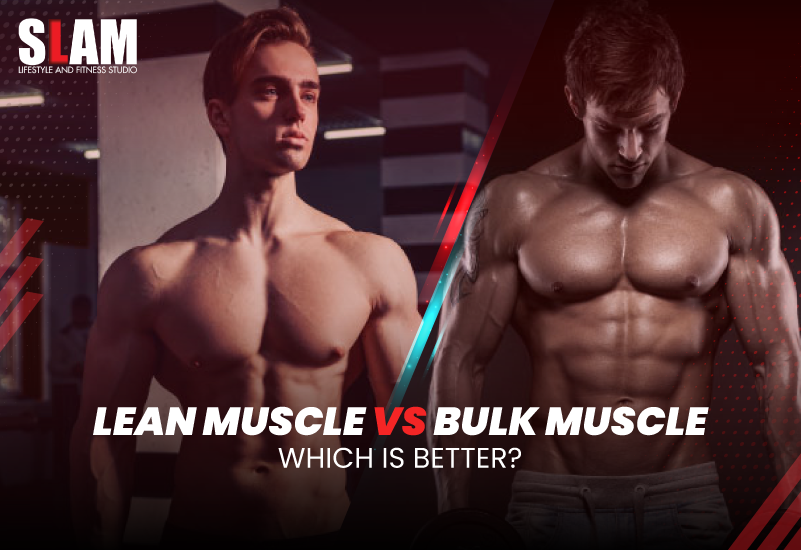
Lean muscle focuses on achieving definition and low body fat for a toned, athletic appearance with an emphasis on strength-to-weight ratio. In contrast, bulk muscle aims for maximum size and fullness, prioritizing absolute strength. These two approaches differ in calorie surplus/deficit and training styles, with lean muscle requiring careful tracking of nutrition and bulking typically involving a later cut phase to reduce fat. Both methods enhance overall health, fitness, and muscle development, offering unique benefits depending on your fitness goals.
Achieving a muscular physique is a common goal yet the methods people use can vary. Two popular approaches are building Lean muscle vs Bulk muscle. Both have their own benefits but the choice of which is better ultimately depends on individual goals and physical preferences.
In this blog, we’ll examine the advantages and disadvantages of each approach, providing you with the information you need to make an informed decision on the right path for you.
There are several key components to building long, lean muscle, including a strength training routine tailored to your goals.
Understanding Lean Muscle vs Bulk Muscle
When it comes to building muscle, lean muscle focuses on adding muscle with minimal fat gain. This approach uses a modest calorie surplus (5-10%) to promote slow, steady growth while maintaining a toned, defined physique. It involves moderate strength gains and emphasizes muscle density and visual definition, making it sustainable and compatible with a healthy lifestyle. Lean muscle growth is ideal for those seeking long-term health benefits and sustainable muscle development without excessive fat accumulation.
In contrast, bulk muscle building prioritizes rapid size gain by using a larger calorie surplus (10-20%). While this leads to faster muscle growth, it also often results in increased fat gain, requiring a cutting phase afterward to reveal the muscle underneath. Bulk muscle training focuses on high-volume hypertrophy, leading to significant strength gains and size-focused aesthetics. This approach is suited for those looking for quick results and willing to accept some fat gain in the process.
What is lean muscle?

Lean muscle refers to a type of muscle tissue that is characterized by low levels of body fat and a defined, athletic appearance. This type of muscle is built through a combination of strength training and a balanced diet that emphasizes protein and limits excess calorie intake. The result is a toned, defined appearance that is often associated with improved athletic performance and overall health.
Pros
Building lean muscle offers several benefits for both physical and mental health. Some of the key advantages include: improved athletic performance and physical strength, increased metabolism and energy levels, improved body composition with low body fat levels and a defined, toned appearance, reduced risk of injury and better overall health and wellness.
Additionally having a lean, muscular physique can also boost self-confidence and self-esteem, leading to a positive impact on mental health. A focus on strength training and a balanced diet can help individuals achieve and maintain a lean, muscular physique.
Cons
The pursuit of lean muscle also comes with its own challenges. Achieving lean muscle mass may take longer compared to bulk muscle as it emphasizes building lean muscle rather than size.
A diet focused on lean muscle building can also be restrictive, requiring high protein intake and limiting certain foods. Regular, intense workouts are necessary to maintain lean muscle. Keep in mind, building lean muscle may not result in the same level of strength and power as bulk muscle building.
It’s crucial to weigh individual goals, fitness level and lifestyle before committing to a lean muscle-building routine.
What is bulk muscle?

Bulk muscle refers to a physique that is characterized by a large amount of muscle mass, often accompanied by an increased level of body fat. This type of muscle is achieved through a focus on heavy weightlifting and an increase in caloric intake with the goal of building larger, more defined muscles.
While bulk muscle can improve strength and athletic performance, it may also come with a less defined appearance and a higher body fat percentage compared to lean muscle. Ultimately, the decision to focus on bulk muscle versus lean muscle will depend on individual goals and preferences.
Pros
Building bulk muscle can provide a number of physical and athletic benefits including increased overall strength, improved muscle endurance and the ability to lift heavier weights.
Bulk muscle also contributes to a more impressive physique, often characterized by larger, more defined muscles. For athletes and bodybuilders, a focus on bulk muscle can improve performance in their respective sports or competitions.
Additionally, building bulk muscle can also boost confidence and self-esteem leading to improved mental health. However, it’s important to note that bulk muscle building often requires a higher caloric intake and a more structured workout regimen and can result in a higher body fat percentage.
Cons
Building bulk muscle has several disadvantages including a rise in body fat percentage, a higher risk of injury, a more structured workout and diet regimen and a less defined physique due to obscuring body fat. Maintaining bulk muscle requires significant weightlifting effort and can be physically and mentally demanding.
Before beginning, it’s important to consider individual goals and consult a doctor, as it may not be suitable for certain medical conditions.
Comparison between Lean Muscle Vs Bulk Muscle
| Lean Muscle | Bulk Muscle |
| Higher proportion of muscle mass and lower level of body fat | Larger amount of muscle mass, sometimes accompanied by a higher level of body fat |
| Visible muscle definition but not necessarily a large size | A larger overall appearance with less definition between individual muscles |
| Generally achieved through a combination of resistance training and a balanced diet | Usually achieved through heavy weightlifting and sometimes a diet that is high in calories |
| Supports improved athletic performance and a more streamlined physique | Can improve athletic performance but may also result in a bulkier appearance |
SLAM Fitness Chennai
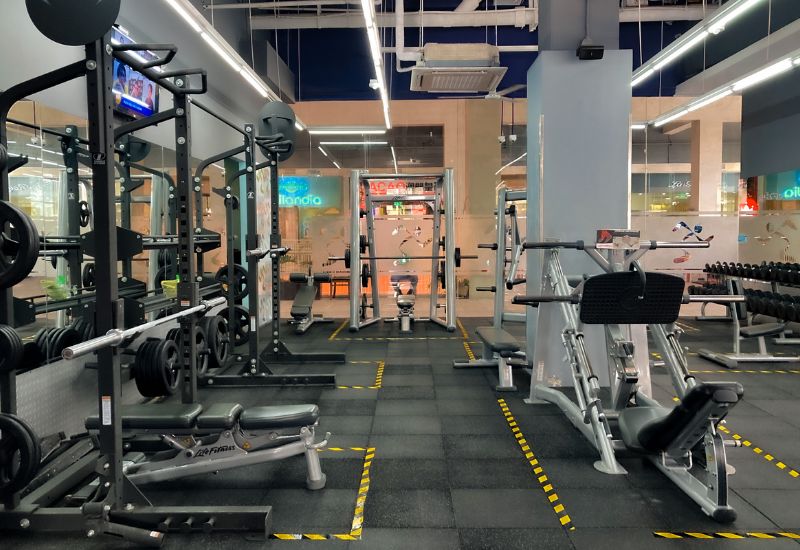
Building muscle through workouts at SLAM Fitness Chennai involves strength training exercises targeting all major muscle groups, gradually increasing resistance, balancing workout routine with cardio and stretching and fueling the body with a balanced diet.
A personal trainer at SLAM Fitness can help you achieve your personal fitness goals.
Takeaway
In conclusion, whether the lean or bulk muscle is better depends on personal goals. Both can provide health benefits such as improved athletic performance, stronger bones and reduced injury risk.
A combination of strength training, a balanced workout and a nutritious diet will help build muscle. Work with a trainer to determine the best approach for your goals and health. Building muscle, whether lean or bulk offers numerous benefits for overall health and wellness.
FAQs
Does lean muscle burn fat?
Lean muscle helps your body burn fat because muscle needs steady energy, even when you’re resting. The more lean muscle you build, the more calories you burn throughout the day. This gradual rise in metabolism supports fat loss, especially when paired with steady training and balanced eating. It’s a simple and reliable way to assist long-term fat reduction.
What burns first: fat or muscle?
Your body uses both fat and muscle for energy during weight loss, but how much of each you lose depends on your eating habits and your training routine. Enough protein and regular strength work help your body hold onto muscle, pushing more of the energy demand toward fat instead of breaking down muscle tissue.
What body type is lean?
A lean body type means low body fat with steady muscle and a firm, toned outline. People with a lean shape often show clear muscle detail without added bulk. Their frame looks athletic rather than wide or overly full. This style comes from active habits, balanced eating, and regular movement that maintains muscle without large mass gain.
Is lean muscle heavier than fat muscle?
Lean muscle weighs more than fat because it’s denser, even though it takes up less space. Someone with more muscle might weigh more than a person of similar size who carries more fat, yet still appear tighter and more toned. This is why the scale doesn’t always reflect improvements in body shape or firmness.
How much protein per day?
The World Health Organization suggests at least 0.8 grams of protein per kilogram of body weight each day. That’s about 56 grams for an inactive adult. People who train often or lift weights may benefit from higher amounts to help muscle repair and growth. Needs vary, but steady protein intake supports strength and recovery.
Is bulk muscle good?
Bulk muscle can be useful if you want size, stronger lifts, or a fuller appearance. It can improve performance in heavy tasks, but it also requires steady eating and active habits to keep your body balanced. Whether it suits you depends on your goals, comfort, and how you prefer your body to look and function.
What is toned vs lean muscle?
Toned muscle means clear muscle outline and firmness. Lean muscle means strong muscle with low body fat and a clean, tight look. Toned describes the appearance, while lean describes the overall balance of muscle and fat. Both come from strength work, steady movement, and eating habits that support muscle without adding unnecessary fat.
What’s the main difference in lean muscle vs bulky muscle?
Lean muscle vs bulky muscle differs in size and look. Lean muscle gives a firmer, sharper frame with lower body fat. Bulky muscle adds fuller size and rounder mass. Lean builds steady strength without adding much size, while bulk brings a bigger presence. Both styles help athletic ability, and the right pick depends on how you want your body to look and move.
Lean muscle vs bulk muscle: which is better for daily movement?
Lean muscle supports quicker movement, better control, and easier mobility. It keeps you lighter on your feet and helps with sports that need speed. Bulk muscle gives solid power for slow, heavy tasks but may feel tighter during fast actions. If your goal is smoother movement and a clean shape, lean fits well. If you want big size and strong force, bulk is useful.
Lean body or bulky body: which is better for strength?
Both deliver strength in different ways. A lean body uses efficient muscle fibers that feel quick and sharp. A bulky body relies on a larger muscle mass that produces more raw force. If you need speed with solid output, lean fits. If you want high-force pushes, bulk works better. The answer depends on the type of strength you care about most.
Is lean muscle stronger than bulky muscle?
Lean muscle gives strength that feels quick and controlled, while bulky muscle produces larger force because of higher mass. So one isn’t always stronger than the other. Lean shines in movements that need speed and control. Bulk shines in slower, heavy pushes. Your ideal path depends on whether you want quick power or big-force output.
What does lean body meaning refer to?
Lean body meaning refers to a shape with lower fat, steady muscle, and a clear outline. It doesn’t focus on size but on balance, firmness, and a clean shape. Many athletes prefer it because it supports speed and steady energy. Lean muscle mass brings a sharper look without the fullness seen in bulk muscle.
Lean body vs bulk body: which looks better?
Lean body vs bulk body looks depend on personal taste. A lean body has a tight outline, clean shape, and steady muscle. A bulk body stands out with fuller arms, chest, and legs. Lean fits people who want a sharp look. Bulk suits those who want a large, filled-out presence. Both look great depending on the style you prefer.
Lean vs muscular: what’s the difference?
Lean vs muscular differs in size and shape. Lean shows narrow lines and lower fat with steady muscle. Muscular often means fuller limbs and a larger upper frame. Lean fits people who want a light shape. Muscular suits those who want big physical presence. Both support strength. The best pick depends on the look and feel you want.
What is a lean bulk body?
A lean bulk body adds muscle while keeping fat gain low. It focuses on steady training and small food increases instead of large jumps. The goal is to build mass without losing a clean outline. This path works for people who want size but also want to keep a tight look instead of shifting fully into bulky muscle.
Lean muscle vs bulk: which is better for sports?
Lean muscle helps sports that need quick movement, balance, and steady output. Bulk fits sports that rely on strong force and slow, powerful actions. Lean helps with running, field play, and skill-based training. Bulk helps with pushing, heavy contact, and short bursts. The answer depends on what your sport needs most.
Lean definition body: what does it involve?
A lean definition body shows clear muscle lines, low fat, and a firm shape without large size. It comes from steady training, controlled food intake, and movements that keep the body active without adding heavy mass. People choose this when they want a clean outline instead of the fuller size seen in bulk muscle.