Introduction
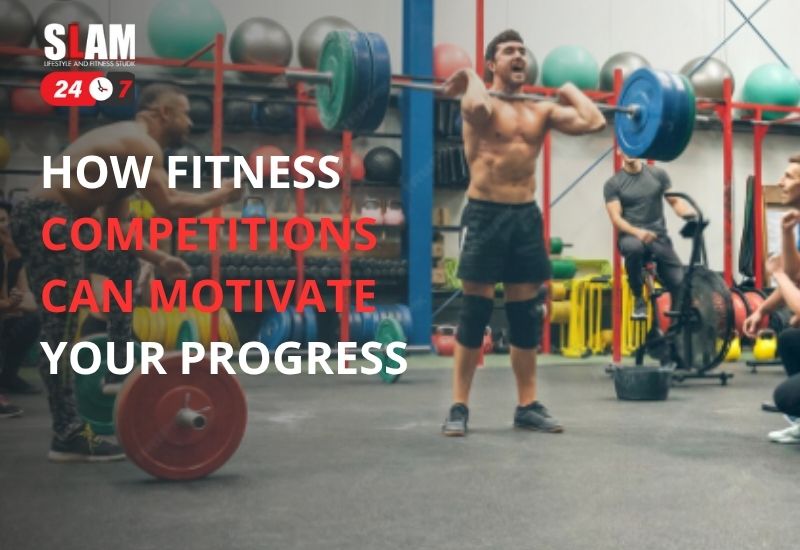
There are days when the training phase appears to slow down, if not remain at a standstill. That is where a fitness competition bears testimony-the challenge one never dares miss. Be it a physique show, obstacle-course event, or a local throwing down of a CrossFit, displaying your goals publicly sets the stakes high. We will explore and share why signing up for a fitness competition (yes, you!) could be the secret weapon to your workout routine.
The Reason Why A Fitness Competition Is A Motivation
1. Outside Control Multiplies Industry
Whenever you make a promise in front of people – friends, coaches, social media, etc. you increase the price of abandonment. A fitness contest is no longer a self-bet: it is a commitment to the rest of the world. This outside force usually pushes you into training sessions that you would otherwise not have entered.
2. Meetings Keep Your Training On Track
Open-ended goals are vague. A contest provides you with a definite deadline. That T-minus schedule will assist you in dividing your preparation into micro-gambits (nutrition, strength, conditioning) and get priorities straight. You will work smarter – not harder.
3. Calculable Improvement And Response
Contests are commonly based on quantifiable standards – bodybuilding, speed, and fitness. That provides you with objective information on where you are. Instead of using vague feelings, you are a viewer of real numbers which inform you of what to rearrange.
4. Mental Strength On A Stressful Day
Training to compete in a fitness show equips you with mindsets: You can cope with the nerves, you can overcome fatigue, and you can keep going even when you fail. Such lessons are brought into each succeeding training cycle (and life).
Transformative Stage Process For Fitness Competition
1. First Shock–Knowledge Of Potential
Your first few weeks are enlightening once you make the commitment. You will learn what your limits, weak areas are and how you underperform. And that shock tends to put the fire back on.
2. The Grind — Habit Formation
Weeks 3-8 are the loss of excitement and the importance of consistency comes in. The awareness that a fitness contest is imminent makes you fight through those days when you feel like you do not want to. This is where rhythm is built.
3. Peaking And Polishing
The last weeks compel you to make changes: deloads, diet adjustments, posing training, and mobility training. It gives you accuracy, attention to detail, and recovery.
4. Post-Competition Growth
Your body and mind were changed no matter whether you won or lost. You have unlocked your new abilities. After the competition, most of them will be progressing even more rapidly, and they will now be used to breaking their limits.
Using Fitness Competitions (Wisely) How To Shun Pitfalls
1. Select A Level Of Entry
Avoid doing your first competition in a bodybuilding competition at the national level. Choose an event or a fun challenge that is accessible to a beginner (e.g. local athletic meet, a charity fitness challenge). Build confidence.
2. Coach Or Mentor
Mentoring in program design, nutrition, pacing and recovery may or may not make your experience. A coach makes sure you do not overtrain, get hurt or get hormonal burnout.
3. Keep Long-Term Health In Mind
A fitness contest is supposed to be an inspiring element– not a reason to crash diet or overtrain. Always prioritise sustainability; even when preparing for a contest, you should maintain your sleep, health and mobility.
4. Use Smaller Mini-Challenges
In case a big contest is too ambitious, make your own mini-challenge (e.g. 8-week transformation test, in-gym leaderboard, buddy duels). These are the sizes of the competitions that can be eaten in a bite to develop your competitive mindset.
5. Learn From Every Event
After the contest, discuss what was effective, what was not and how your body reacted. By using that data you can plan future workouts, make meal plans and select competitions.
Beginning Steps For Fitness Competition
1. Choose The Layout
Would you prefer to work on your body, increase your strength, improve your functional fitness, endurance or go for a hybrid? Select an area that you find interesting.
2. Pick The Days (8–16 Weeks Ahead)
Decide on a time which will give you the feeling of urgency and at the same time be far enough away to allow effective planning.
3. Design A Plan
Break it down into stages: base building, intensification, peaking, tapering.
4. Test Metrics Early
Hold mock trials: body scans, timed runs, lifts – to understand where you are starting.
5. Track Consistently
Be active physically every day. Make sure that you consume nutritious food. Get enough sleep. Reflect weekly and adapt.
6. Recover Smart
Non-negotiable items include schedule deloads, massages, mobility work and sleep.
7. Practice Mindset
Visualisation, journaling, cue words, positive self-talking – warm up your mind to the pressure.
SLAM Fitness: Where Ambition Becomes Action
We, at SLAM Fitness, have witnessed the role of internal fitness competitions in changing our members, who were initially apprehensive to venture into the gym, into members who are assured of success. Being one of the top unisex gyms in the city of Chennai, we provide a friendly community, professional trainers and challenges that could actually make you go. We are confident in transforming the ambition into the meandered development of each member.
Conclusion
A fitness contest may be the impetus and make you be clear, accountable and consistent where before you were drifting. It makes you change your mindset, and instead of thinking about training one or another time, you are motivated to think about training, and it makes your goals structured and urgent. However, as with any instrument, it is the most useful when wielded with prudence – select the right kind of events, practice smart, and learn even through failure. When utilised effectively, a competition can jump-start your gains, and reset your expectations of what you believe is possible.
FAQs On Fitness Competition
1. Should I have to win a contest to be able to benefit?
Not at all. The process is the real advantage: intense training, psychological strength, contemplation. A lot of participants say they make their greatest profits following non-winning entries.
2. How often should I compete?
One or two contests annually is a good number for most. Far between, you will burn out; close to you, you will lose the motivational advantage.
3. Would there always be injuries or overtraining in competing?
No – so long as you’re smart, you can listen to the body, you can add in recovery, and you should not work through chronic pain. An effective coach tries to avoid errors.
4. What In case I do not enjoy judging or being judged?
Performance-based competitions (timing run, obstacle courses) can be chosen instead of aesthetic competitions judged. Or begin with a few obstacles in the gym to get used to being under pressure.
5. How much (money, time) does it cost to prepare for the contest?
It varies by type. Coming to expect more investment in coaching, nutrition, supplements, potentially travel, and additional time per week for training. However, when calculated prudently, the compensatory profits are development, persuasion, and impetus.